。線框讓檢查線穿過時仍然清晰%20--%3e%3cpath%20d='M84%2050%2067%2079.44%2033%2079.44%2016%2050%2033%2020.56%2067%2020.56Z'%20fill='none'%20stroke='%2316181A'%20stroke-width='9'%20stroke-linejoin='miter'/%3e%3c!--%20檢查線的留白暈圈:跨過任何線條時都保持可辨,單色版也成立%20--%3e%3crect%20x='41'%20y='30'%20width='18'%20height='64'%20fill='%23F2F2F0'/%3e%3c!--%20扭力檢查線:從螺帽中心畫出,跨過邊緣落到底座%20--%3e%3crect%20x='44.5'%20y='33'%20width='11'%20height='59'%20fill='%23C8102E'/%3e%3c/svg%3e) SCREWKING
SCREWKING
Self-Drilling Screws
A self-drilling screw carries a drill point. Drilling, tapping and clamping happen in one action, which is why it dominates sheet metal fixing and light steel framing.
Specification options
| Volume range | M1.0 – M5.0 |
|---|---|
| Maximum size | M16 |
| Standards | DIN 7504 · ISO 15480 · ISO 15481 · ISO 15482 · JIS B 1125 |
| Materials | see Materials |
| Finishes | see Finishes |
| Minimum order | From 10,000 pcs, depending on the part |
Head styles

%20Pan%20Head'%3e%3ctitle%3e圓頭(盤頭)%20Pan%20Head%3c/title%3e%3cg%20fill='none'%20stroke='%2316181A'%20stroke-width='2.4'%20stroke-linejoin='miter'%20stroke-linecap='butt'%3e%3cpath%20d='M%2034%2046%20L%2034%2037%20Q%2034%2026%2060%2026%20Q%2086%2026%2086%2037%20L%2086%2046%20Z'%20/%3e%3cpath%20d='M%2049%2046%20L%2052%2049.5%20L%2049%2053%20L%2052%2056.5%20L%2049%2060%20L%2052%2063.5%20L%2049%2067%20L%2052%2070.5%20L%2049%2074%20L%2052%2077.5%20L%2049%2081%20L%2052%2084.5%20L%2049%2088%20L%2052%2091.5%20L%2049%2095%20L%2052%2098.5%20L%2049%20102%20L%2052%20105.5%20L%2049%20109%20L%2052%20112.5%20L%2049%20116%20L%2052%20119.5%20L%2049%20123'%20/%3e%3cpath%20d='M%2071%2046%20L%2068%2049.5%20L%2071%2053%20L%2068%2056.5%20L%2071%2060%20L%2068%2063.5%20L%2071%2067%20L%2068%2070.5%20L%2071%2074%20L%2068%2077.5%20L%2071%2081%20L%2068%2084.5%20L%2071%2088%20L%2068%2091.5%20L%2071%2095%20L%2068%2098.5%20L%2071%20102%20L%2068%20105.5%20L%2071%20109%20L%2068%20112.5%20L%2071%20116%20L%2068%20119.5%20L%2071%20123'%20/%3e%3cpath%20d='M%2049%20123%20L%2071%20123'%20/%3e%3c/g%3e%3c/svg%3e)
%20Countersunk%20/%20Flat%20Head'%3e%3ctitle%3e皿頭(平頭)%20Countersunk%20/%20Flat%20Head%3c/title%3e%3cg%20fill='none'%20stroke='%2316181A'%20stroke-width='2.4'%20stroke-linejoin='miter'%20stroke-linecap='butt'%3e%3cpath%20d='M%2030%2026%20L%2090%2026%20L%2071%2046%20L%2049%2046%20Z'%20/%3e%3cpath%20d='M%2049%2046%20L%2052%2049.5%20L%2049%2053%20L%2052%2056.5%20L%2049%2060%20L%2052%2063.5%20L%2049%2067%20L%2052%2070.5%20L%2049%2074%20L%2052%2077.5%20L%2049%2081%20L%2052%2084.5%20L%2049%2088%20L%2052%2091.5%20L%2049%2095%20L%2052%2098.5%20L%2049%20102%20L%2052%20105.5%20L%2049%20109%20L%2052%20112.5%20L%2049%20116%20L%2052%20119.5%20L%2049%20123'%20/%3e%3cpath%20d='M%2071%2046%20L%2068%2049.5%20L%2071%2053%20L%2068%2056.5%20L%2071%2060%20L%2068%2063.5%20L%2071%2067%20L%2068%2070.5%20L%2071%2074%20L%2068%2077.5%20L%2071%2081%20L%2068%2084.5%20L%2071%2088%20L%2068%2091.5%20L%2071%2095%20L%2068%2098.5%20L%2071%20102%20L%2068%20105.5%20L%2071%20109%20L%2068%20112.5%20L%2071%20116%20L%2068%20119.5%20L%2071%20123'%20/%3e%3cpath%20d='M%2049%20123%20L%2071%20123'%20/%3e%3c/g%3e%3c/svg%3e)
%20Oval%20/%20Raised%20Countersunk'%3e%3ctitle%3e半皿頭(橢圓頭)%20Oval%20/%20Raised%20Countersunk%3c/title%3e%3cg%20fill='none'%20stroke='%2316181A'%20stroke-width='2.4'%20stroke-linejoin='miter'%20stroke-linecap='butt'%3e%3cpath%20d='M%2030%2026%20Q%2060%2012%2090%2026%20L%2071%2046%20L%2049%2046%20Z'%20/%3e%3cpath%20d='M%2049%2046%20L%2052%2049.5%20L%2049%2053%20L%2052%2056.5%20L%2049%2060%20L%2052%2063.5%20L%2049%2067%20L%2052%2070.5%20L%2049%2074%20L%2052%2077.5%20L%2049%2081%20L%2052%2084.5%20L%2049%2088%20L%2052%2091.5%20L%2049%2095%20L%2052%2098.5%20L%2049%20102%20L%2052%20105.5%20L%2049%20109%20L%2052%20112.5%20L%2049%20116%20L%2052%20119.5%20L%2049%20123'%20/%3e%3cpath%20d='M%2071%2046%20L%2068%2049.5%20L%2071%2053%20L%2068%2056.5%20L%2071%2060%20L%2068%2063.5%20L%2071%2067%20L%2068%2070.5%20L%2071%2074%20L%2068%2077.5%20L%2071%2081%20L%2068%2084.5%20L%2071%2088%20L%2068%2091.5%20L%2071%2095%20L%2068%2098.5%20L%2071%20102%20L%2068%20105.5%20L%2071%20109%20L%2068%20112.5%20L%2071%20116%20L%2068%20119.5%20L%2071%20123'%20/%3e%3cpath%20d='M%2049%20123%20L%2071%20123'%20/%3e%3c/g%3e%3c/svg%3e)

Drive types


Choosing the thread
-
Point #1 – #5graded by drilling capacity
A higher number means a longer point and greater total thickness it can drill. Select on total material thickness, not on screw length.
Where it most often goes wrong
Each of these causes scrapped lots or rework on the floor. None of them is theoretical.
Point too short. The drill point must break through before the thread engages. If the thread reaches un-drilled material first, the screw spins in place, heats up and burns the point. This is the classic self-drilling failure.
Speed too high. The point cuts. Excessive speed anneals it, and once the hardness is gone it will not drill.
“Stainless” self-drillers. Standard stainless will not drill steel. What is sold as stainless is usually hardened SUS410 or a bi-metal part — stainless body with a carbon steel point. Corrosion resistance and price differ substantially; ask which one you are buying.
How length is measured
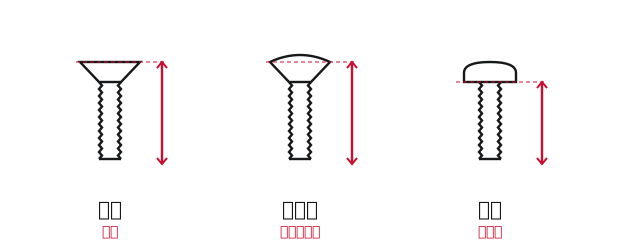
One rule covers it: if the head sinks into the work, measure overall; if it stays on the surface, measure under the head.
| Head style | Datum | Why |
|---|---|---|
| Countersunk (flat) | Overall length | The head sits flush in the countersink, so it counts |
| Oval (raised countersunk) | Overall to the head diameter | The cone sinks, the dome stays proud; measure to where they meet |
| Pan / round | Under head | The head stays entirely on the surface |
| Button | Under head | Same |
| Hex / hex washer | Under head | Same |
| Socket head cap | Under head | Same |
Full explanation → Where the standards stop at this size → Tolerance stack-up and the screw →
Enquiries
Self-Drilling Screws come in a lot of combinations. Tell us the item, size, material, finish, annual usage and application, and we will come back on feasibility and lead time. A drawing or a sample is fastest — quoting against the real part saves a great deal of guessing.
Volume range M1.0 – M5.0, standard fasteners up to M16. Minimum order From 10,000 pcs, depending on the part.